
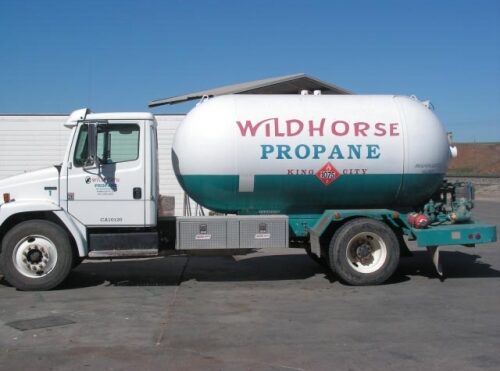
A consumer’s guide from Wildhorse Propane & Appliances
The National Propane Gas Association (NPGA) reports that approximately 468,000 California households use propane. Nationally, around 11 million homes use propane. Propane is primarily used for home heating, water heating, and fueling appliances, including outdoor grills. Wildhorse Propane & Appliances has delivered propane to San Juan Bautista residences and businesses since 1980. Over the nearly five decades in the propane business, the Wildhorse team has become a regional leader in propane services and a source of information for a wide range of propane uses.
Along with residential use, propane is an in-demand fuel for industrial, commercial, and agricultural operations. Autogas, propane as vehicle fuel, is also popular for fueling bus and commercial vehicle fleets. What is it about propane that makes it a favored source of fuel for so many applications?
What is propane?
Propane is a nontoxic, colorless liquefied petroleum gas, a byproduct of natural gas processing. In its natural state, it is odorless, so a chemical scent (mercaptan) is added to give it that rotten egg smell so leaks can be easily detected. Propane is safe to use, but it is a gas, and any gas leak can be potentially dangerous. The rotten egg smell is a safety feature.
Other benefits of propane include lower overall costs than electricity or natural gas, an unlimited shelf life, and fewer greenhouse gas emissions than other fuels.
Propane-fueled appliances can heat or cool homes, cook food, dry clothes, and include generators, refrigerators, water heaters, and pool and spa heaters.
Renewable propane, made from biological products, is a fast-evolving technology ready and able to replace natural propane. Because renewable propane and natural propane are chemically identical, they perform exactly alike in appliances, so no retooling or new appliances are needed.
Can I convert to propane instead of electricity or natural gas?
Yes. Wildhorse Propane technicians are certified and licensed to install new gas lines and convert natural gas lines to propane. The company carries leading brands of appliances and can deliver and install any new appliances, as well. Contact Wildhorse at (800) 682-6624 for more information about using propane in San Juan Bautista.
Who owns the propane tank?
Homeowners can lease a tank from their propane supplier or purchase one outright.
How long do propane tanks last?
Stationary propane tanks can last up to 30 years or more with proper maintenance and inspections. Wildhorse Propane examines your tank on every delivery, making sure the gauges are working and there are no leaks.
The State of California requires portable propane tanks be recertified 12 years from their original manufacturing date and every five years after that to be legally refilled.
What size tank do I need?
The size of tank you need depends on how much propane your household uses. There are formulas for calculating propane use and tank size. Not everyone is confident enough to calculate propane use, and the good news is that the San Juan Bautista propane provider does that for you.
The team helps you calculate how much propane your household needs, the size of the tank, and delivers and installs the tank and connects it to your propane gas lines. Wildhorse also helps you set up a delivery schedule so you don’t have to worry about running out of propane, and provides easy, online account management.
What are the safety measures for using propane?
If you smell rotten eggs, turn off all flames and the main valve on the propane tank. Call your propane supplier, or 911 if you suspect an emergency. Open doors and windows and get everyone out of the house, including pets.
Avoid running out of propane. Letting the propane tank run empty creates potentially hazardous conditions. If you run out:
- Turn off the main valve on the propane tank.
- Arrange for an emergency delivery, explaining you are out of propane.
- The delivery technician will turn the propane back on for you, inspect for leaks or other problems, and relight the pilot lights.
Know your propane system and how to read the gauges. Visit the Wildhorse Propane safety page to learn about your propane system and other safety steps.
For more safety steps, visit the following articles by Wildhorse Propane:
- Keep the fire in the flavor, cooking safety from Wildhorse Propane
- Warm weather, safe propane tips from Wildhorse Propane and Appliance
- The California winter-ready propane guide from Wildhorse Propane & Appliance
- The propane facts challenge—a pop quiz from Wildhorse Propane and Appliance
Why work with Wildhorse Propane?
Wildhorse Propane & Appliance has served communities in Monterey, San Luis Obispo, Santa Cruz, and San Benito counties since 1980. Services include:
- Propane delivery to residences, businesses, and agricultural operations.
- Propane tank installation and maintenance.
- Inspections and troubleshooting.
- Filling tanks on RVs, forklifts, farm equipment, and vehicles.
- Appliance sales, delivery, and installation.
- Underground gas line installation.
- 24-hour emergency services.
From installing and maintaining gas lines to delivering propane and installing top-quality appliances, the family-owned and operated company has been dedicated to fully supporting its customers for nearly five decades.
Call today to start your propane service!